
Starting Point — Why I Began This Project
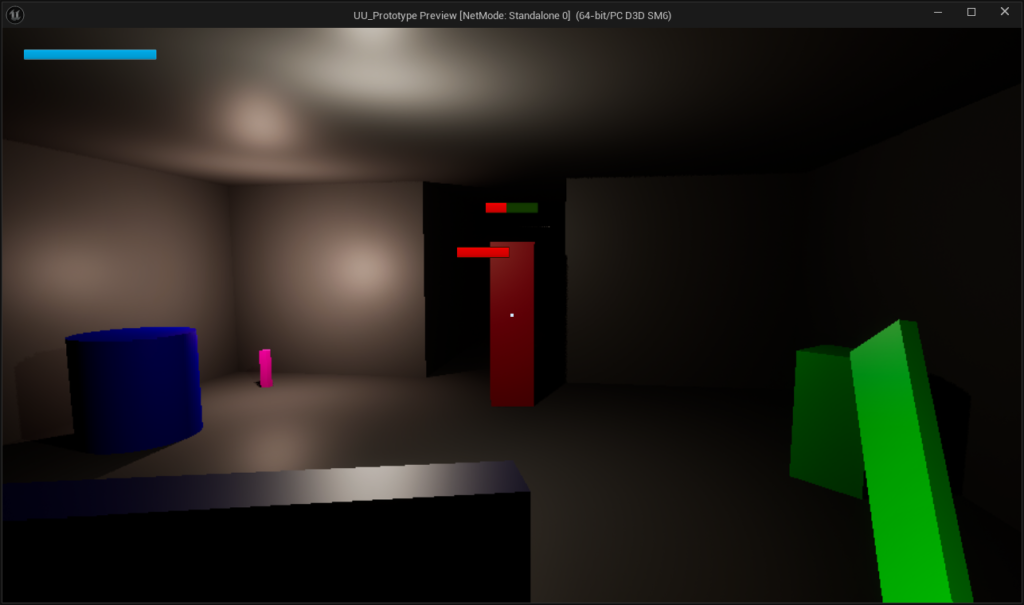
Hollowlight is my first solo game project, my first devlog, and my first serious attempt to learn Unreal Blueprint without immediately wandering into the wilderness and never coming back. More than anything else, this started as a way to learn by doing. I figured if I was finally going to commit to Blueprint, I might as well build something I would actually want to play rather than poking at disconnected tutorials forever. The game taking shape out of that is a dark fantasy first-person dungeon crawler, heavily inspired by King’s Field and Ultima Underworld — oppressive spaces, deliberate exploration, combat with some weight to it, and the general sense that the dungeon would really prefer you weren’t there.
Vertical Slice Focus — Building the Core Before the Fancy Stuff
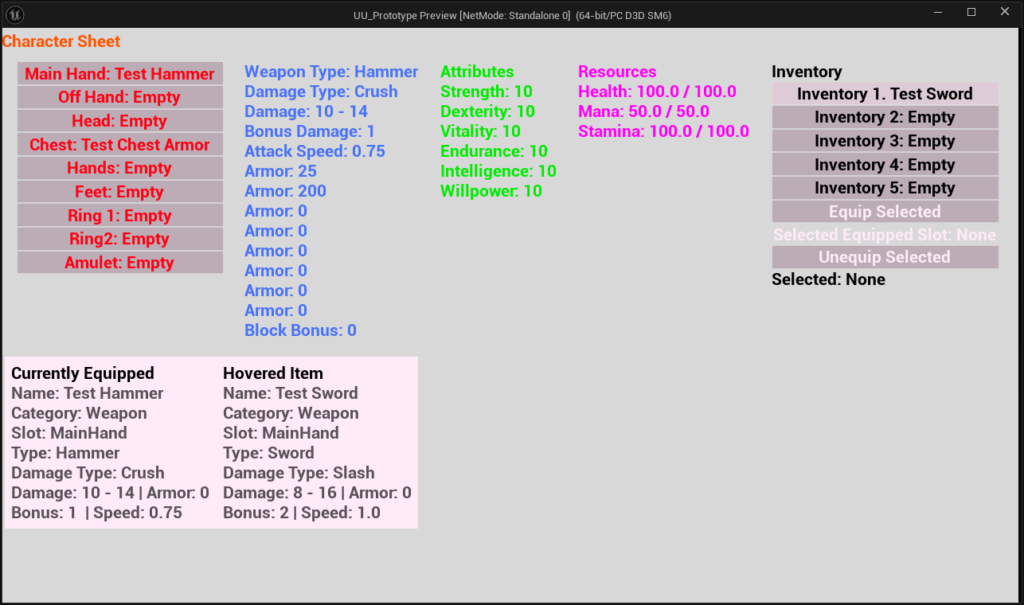
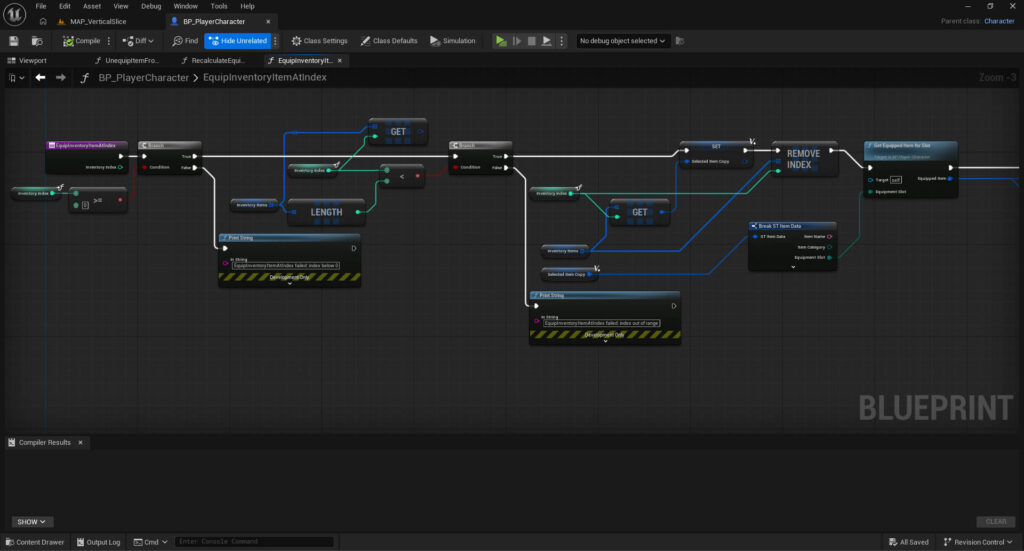
Because this is my first time diving into Blueprint in a serious way, I’ve been trying very hard not to sprint directly into the usual beginner trap of building fifty half-systems and then collapsing under all of them. So the approach for Hollowlight has been pretty simple: focus on a believable vertical slice first, and make sure the core loop actually works before worrying about polish. A lot of that has meant building the equipment and inventory backbone. Things like item pickups, inventory storage, manual equipping, safe gear swapping, unequipping back into inventory, and comparison logic so loot can be evaluated instead of blindly slapped on and regretted later.
Combat and Magic — Making the Game Feel Like Hollowlight
But the project is not just about itemization. A big part of this early phase has also been getting the combat and magic systems into place so Hollowlight feels like its own thing. The player can now use healing, barrier, and projectile magic, and combat is tied directly to what is actually equipped, including weapon stats and damage types. On the enemy side, I’ve also been building more encounter-driven mechanics, including a boss-style enemy with visible interruptible casts that need to be bashed or stopped before they go off and deal massive damage. That sort of pressure is important to me because I don’t want the combat to just be a matter of backing up and clicking until one of us falls over.
Current Milestone — The First Real Gameplay Loop
The part I’m happiest with right now is that these systems are finally starting to feel connected instead of existing as isolated experiments. I can place a weapon or armor piece in the world, pick it up, send it to inventory, inspect it, compare it against what I already have equipped, swap it safely, remove it again if I want, and then immediately take it into combat where damage type, defenses, healing, barrier use, and enemy behavior all actually matter. The UI is still very much prototype UI and will almost certainly be split into cleaner, more specialized screens later, but that’s fine. The point of this phase was never polish — it was learning Blueprint by building systems that actually talk to each other, and for the first time Hollowlight is starting to feel like the early bones of a real dungeon crawler rather than just a stack of debug features pretending to be one.
Looking Ahead — What the Next Devlog Will Cover
The next devlog will probably focus on whichever of the newer layers makes the most sense to spotlight next: either the item comparison and loot-presentation side, or the next stage of combat and encounter design now that the gear loop is behaving properly. Or maybe I’ll focus more on my world-building notes? Either way, the goal is still the same. Keep the scope pointed at something I can actually finish, keep learning Blueprint by making real systems, and keep pushing Hollowlight toward the kind of dungeon crawler I’d actually want to disappear into for a while.
That’s where Hollowlight is at for now: still early, still rough around the edges, but finally starting to feel like a game instead of a pile of experiments. For a first project and a first real pass at Blueprint, I’m pretty happy with that.